
Understanding the psychological tricks that drive gambling behavior
The Allure of Gambling: Understanding the Hook
Gambling captivates many due to its thrilling nature, a mix of chance and skill that creates a unique adrenaline rush. This excitement can trigger the brain’s reward system, making players feel euphoric when they win. The allure lies not just in the potential financial gain but in the anticipation and the emotional highs that accompany each game, encouraging repeated engagement. Many players search for the best online casinos usa to enhance their experiences.
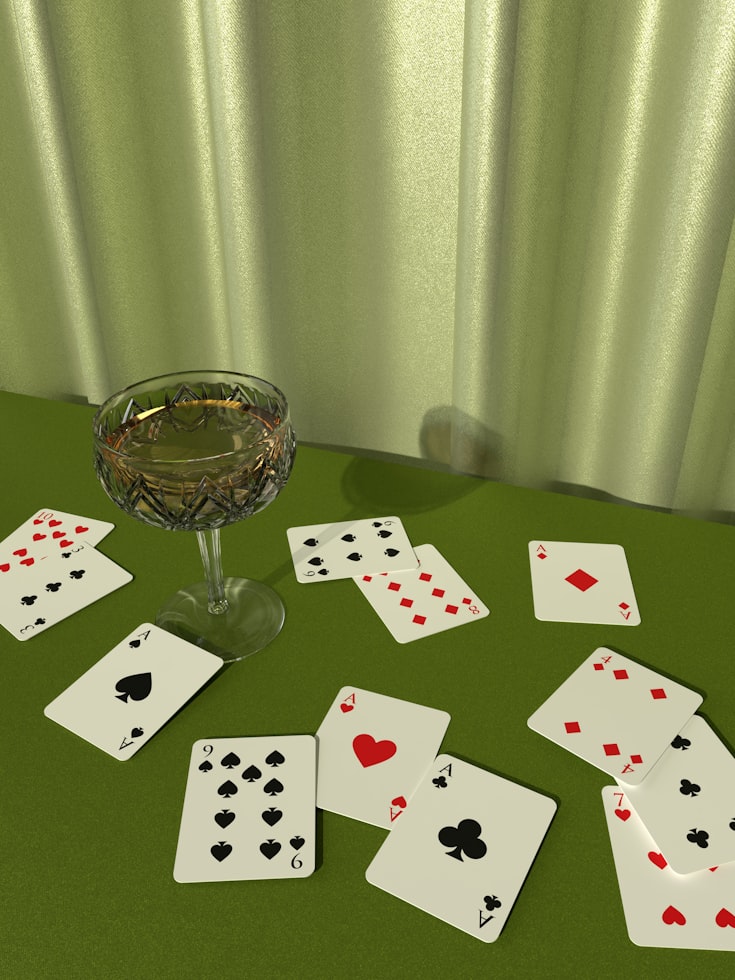
The environment of casinos is meticulously designed to amplify this effect. Bright lights, enticing sounds, and the presence of other players all contribute to a sensory overload that keeps gamblers immersed. These elements work in tandem with psychological triggers, creating an atmosphere where losing seems just a step away from winning, further enticing players to continue gambling.
The Role of Cognitive Biases in Gambling
Cognitive biases significantly influence gambling behavior, often leading players to make irrational decisions. One common bias is the illusion of control, where gamblers believe they can influence outcomes in games of chance, such as dice games or slot machines. This false sense of mastery can encourage players to gamble more, reinforcing their behavior despite losing.
Another prevalent cognitive bias is the gambler’s fallacy, which leads players to think past events affect future outcomes. For instance, if a roulette wheel has landed on red multiple times, a gambler might believe black is “due.” Such misconceptions can skew decision-making, causing individuals to invest more time and money in the hope of a perceived inevitable win.
The Impact of Near Misses
Near misses play a crucial role in gambling behavior, as they create a psychological phenomenon that encourages continued play. When a player almost wins—like getting two out of three symbols on a slot machine—it can evoke feelings of hope and excitement, making them believe a win is imminent. This emotional response can lead to an increased likelihood of further betting.
Research indicates that near misses can trigger similar brain responses as actual wins, reinforcing the idea that victory is just around the corner. This feedback loop can be powerful, prompting gamblers to chase the feeling of a near win, often leading to prolonged gambling sessions and greater financial losses.
The Social Aspects of Gambling
The social environment surrounding gambling also influences behavior significantly. Casinos often promote a communal atmosphere, encouraging interactions among players. This social aspect can create a sense of belonging, making individuals more likely to engage in gambling activities, even if they are not particularly interested in the games themselves.
Moreover, the presence of friends or peers can heighten the excitement of gambling. Shared experiences, whether winning or losing, can lead to a stronger connection with gambling culture. This camaraderie can result in increased frequency of play, as individuals are motivated not just by the games, but also by the social interactions that accompany them.

Ensuring Safe Gambling Practices
Understanding the psychological tricks that drive gambling behavior is essential for promoting responsible gambling practices. Awareness of cognitive biases, the impact of near misses, and the social aspects of gambling can help individuals make informed choices. By recognizing these factors, players can better manage their gambling habits and avoid the pitfalls that come with excessive play.
It is vital for organizations and casinos to implement strategies that prioritize responsible gambling, such as providing educational resources and promoting self-exclusion programs. By fostering a safe gambling environment, they can help mitigate the risks associated with gambling and ensure that players enjoy a positive experience without the detrimental effects of addiction.